Pressure gauge (pressure gauge)
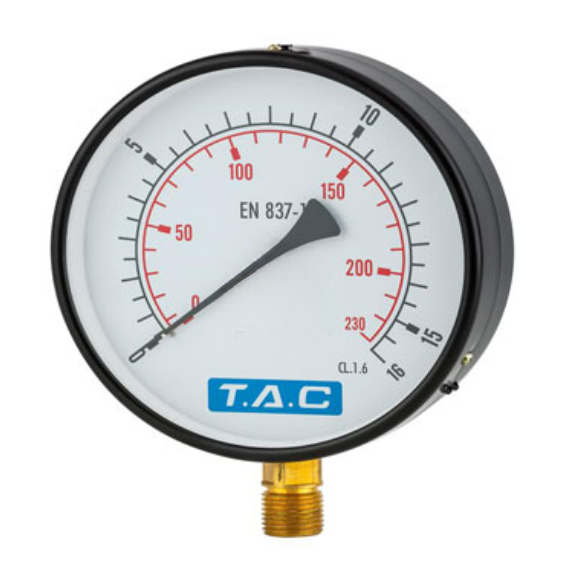
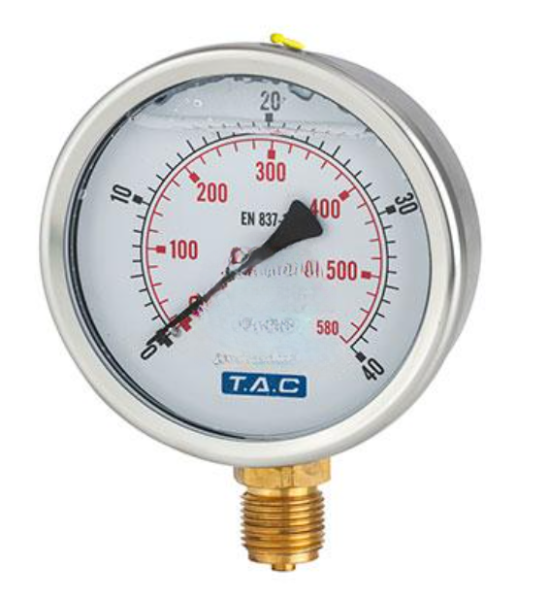
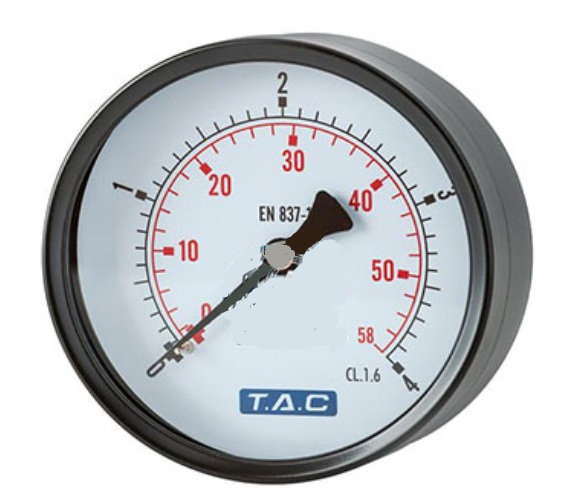
A pneumatic gauge is also called a pneumatic pressure gauge. This device is responsible for measuring the amount and intensity of fluid or flow. To troubleshoot a pneumatic system, it is necessary to adjust the pressure of the machines, which is done by a pneumatic gauge. Where pneumatic components are used and in systems that work with fluid and flow pressure, unpredictable events may occur in these types of systems. To reliably resolve this and prevent accidents, a pneumatic pressure gauge is used. This component helps to ensure that there is no leakage or pressure change.
Since the past years, when the pneumatic mechanism was created and various pneumatic systems were used in industry and other fields, various models of pneumatic gauges were also produced. Pneumatic pressure gauges are updated with the advancement of technology. These parts are evolving for fluid applications, which has further evolved into various models. Currently, pneumatic pressure gauges are designed to be connected to pneumatic connections and prevent pressure and system leakage.
Pneumatic pressure gauges come in two forms: analog and digital. Analog pneumatic pressure gauges are more common. In digital pneumatic gauges, the pressure gauge is adjustable by the operating system, in this process, the pressure measurement is based on pressure and other parameters such as torque, load, force and stiffness. The pneumatic gauge is used in the pneumatic monitoring unit and the required pressure must be measurable throughout the system. Using the pneumatic pressure gauge, the pressure in the receiver and the FRL regulator can be measured independently. For example, the pneumatic pressure gauge is not used for pressures greater than 300 psi and is usually used with a pressure of about 100 psi in conventional systems.
How Pneumatic Gauges Work
Every pneumatic system operates on a specific pressure of the flow or fluid, and this pressure is regulated and measured for a specific range. You can use a pneumatic gauge to measure up to 10,000 psi. Typically, the maximum pressure used in pneumatic devices is between 3,000 and 5,000 psi. Often, pneumatic pressure gauges are installed at or near the pump port to indicate the system pressure.
However, they can be installed elsewhere in the device where pressure and its level are needed. For example, in sub-circuits that flow at a different pressure than the pump pressure. Typically, pressure reducing valves have a port gauge, but this will allow you to directly control the pressure.
Types of Pneumatic Pressure Ratings
Fluid pressure is the amount of pressure force that prevents fluid from spreading and its value is expressed in different units such as psi, bar, kpa and mmhg. This component has many applications in different industries. Based on the information shown by the pneumatic pressure rating, you can obtain the flow rate and velocity of the fluid. There are different types of pneumatic gauges, which we mention below:
Pneumatic pointer gauge, digital pneumatic pressure gauge, test pneumatic pressure rating, oil pneumatic gauge, differential pressure rating, negative pneumatic gauge, vacuum pneumatic gauge, diaphragm pneumatic gauge, oxygen pressure gauge
Requirements for choosing the right pneumatic gauge
For the right pneumatic gauge, consider the following:
To choose the right pneumatic gauge, pay attention to the display and the diameter of the threaded connection.
The accuracy of the pressure gauge measurement is very important, and in cases where the test result is important, you should pay attention to this factor.
Pay attention to how the pneumatic pressure gauge is connected. The pneumatic gauge can be installed both horizontally and vertically. Therefore, it should be selected based on the conditions in which it is used.
Pressure gauge location
Hydraulic pumps or air compressors have a lot of fluctuations that can damage the pneumatic pressure gauge or manometer. Therefore, pneumatic gauges are usually installed after pressure reducers. Hydraulic pressure reducers usually have a port for measuring pressure. This port is installed on pneumatic regulators. As we said, pneumatic gauges can be installed anywhere in the system.
.



Reviews
There are no reviews yet.